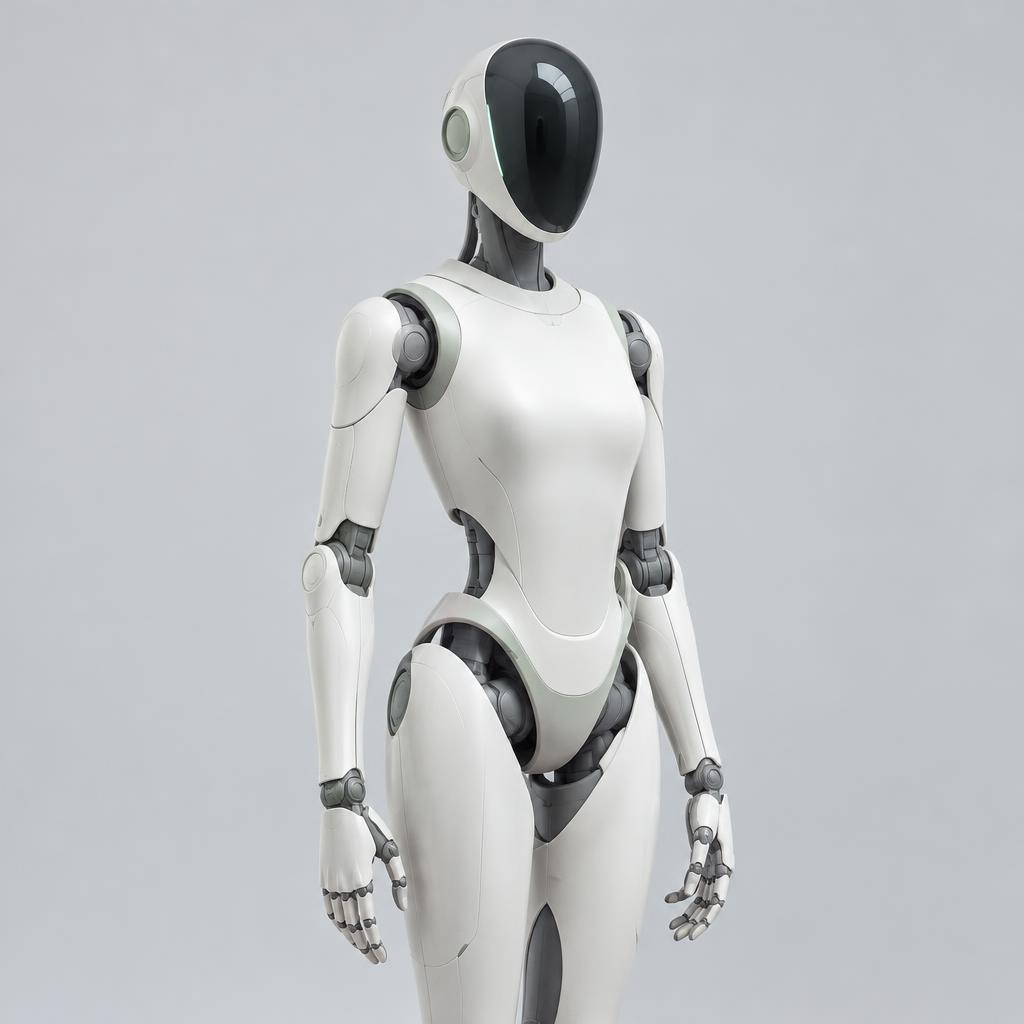
Nova — Workplace companionMotion / 01
Meet three distinct concepts designed to complement the people and environments around them.
Enter the atelier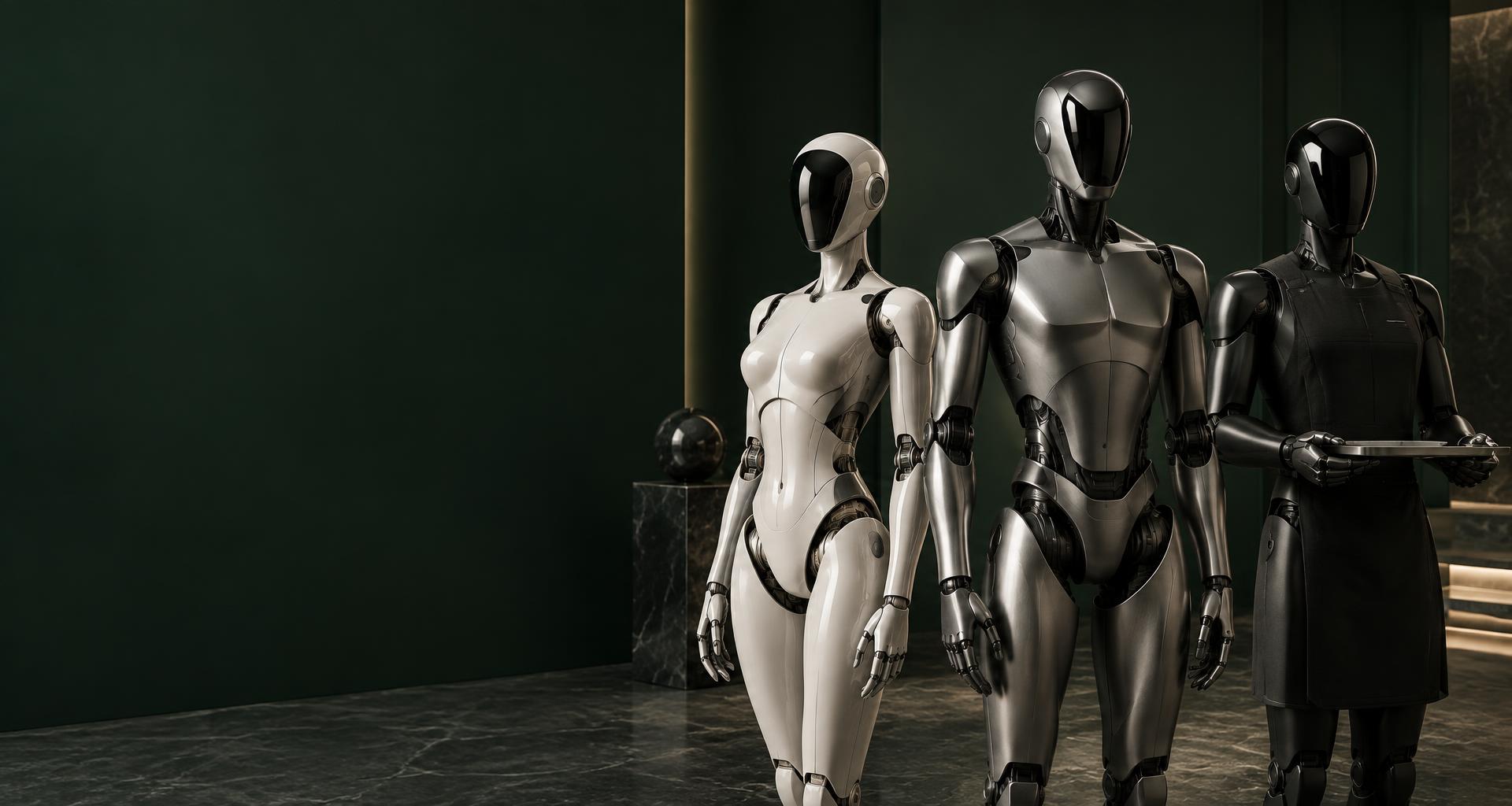
Nova, Forge and Echo explore different ways intelligent machines can support a working day.
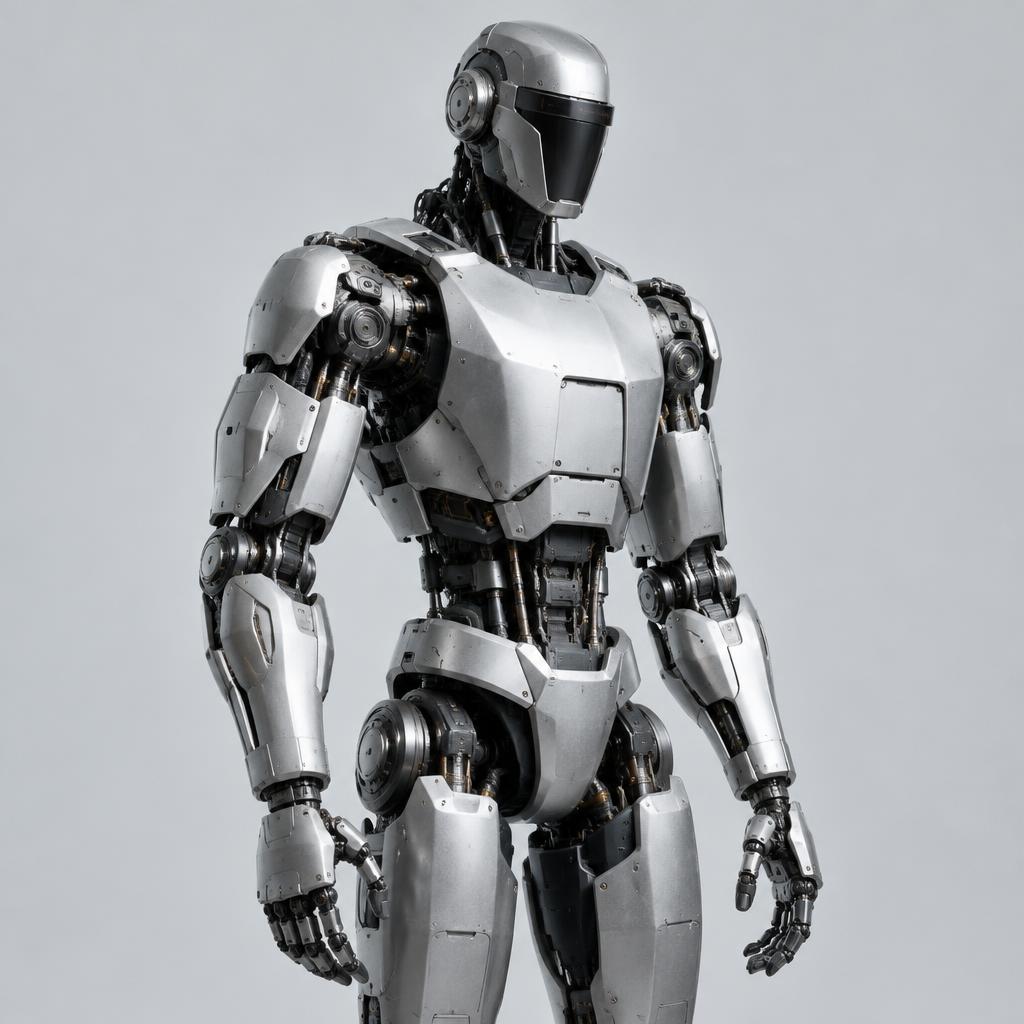
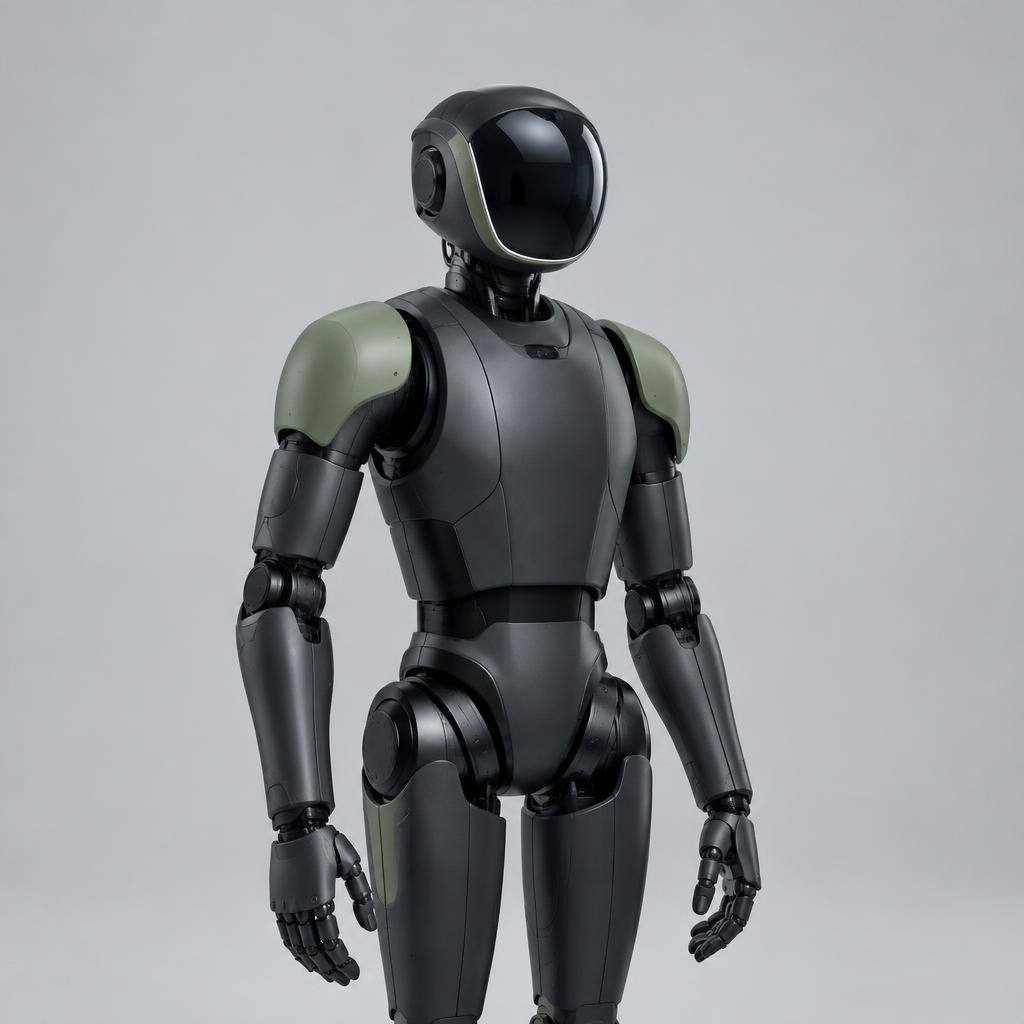
We bring every decision back to one idea: a useful system should feel legible, respectful and at ease in the spaces it enters.
Human scale makes a robot easier to place in everyday architecture.
Clear, measured gestures help people understand what a system intends.
Texture and finish can soften the first impression without hiding the mechanism.
A side-by-side design review for the choices that shape how a humanoid robot is perceived and used.
| Design axis | Considered approach | What to assess |
|---|---|---|
| Silhouette | Balanced, human-scale form | Does it feel at home in the intended environment? |
| Motion | Measured, predictable gestures | Can people read the action before it happens? |
| Surface | Warm, durable touch points | Does the finish invite confidence at close range? |
| Presence | Quiet visual identity | Can a person stay the focus of the room? |
Keep following the work as we explore the objects, gestures and environments that will shape everyday robotics.
Return to the beginningNova is presented as a workplace companion, Forge focuses on task support, and Echo explores communication and guidance. The concepts examine different roles rather than one robot doing everything.
Each role starts with a particular routine and environment. A real deployment would need a careful assessment of its tasks, safeguards and the people who work there.
No. They are framed as tools that can support repetitive work while people keep control, judgment and responsibility.